Rounded Floral Pattern: A Designer’s Real-World Embroidery Review
First Impressions: Soft, Balanced, and Quietly Confident
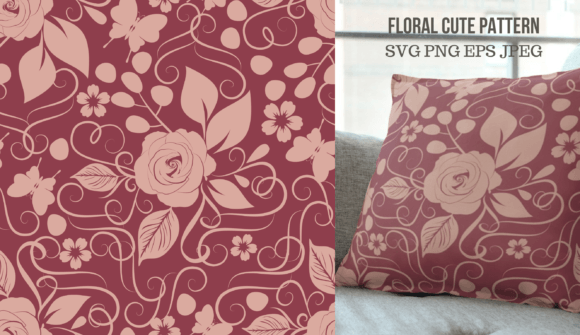
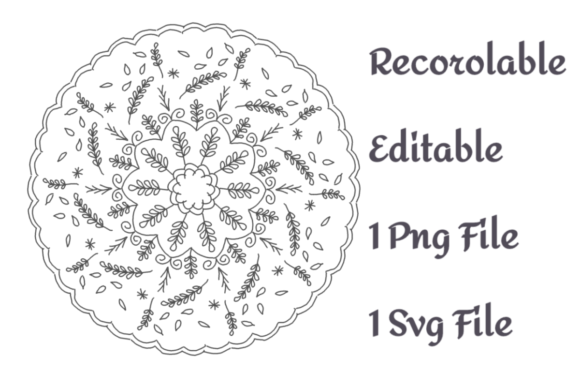
When I opened the Rounded Floral Pattern, what struck me wasn’t flashiness—it was balance. The curves are generous but not overwhelming; the floral elements feel organic, not stiff or overly symmetrical. There’s breathing room between motifs, and the overall shape leans gently circular—ideal for center-placement embroidery on totes, pillow covers, or baby onesies. It doesn’t shout “floral”—it whispers it with warmth and intention. That makes it unusually versatile: equally at home on a linen tea towel for a boutique kitchen line or as a subtle chest emblem on a cotton sweatshirt for a small craft business.
A Real Project Test: Custom Embroidered Tote Bags for a Local Bookstore
Last week, I used Rounded Floral Pattern to embroider a set of canvas tote bags for a neighborhood indie bookstore’s spring launch. We placed it centered on the front panel—just above the seam—using medium-weight cutaway stabilizer and 40-weight polyester thread. The result? Clean satin stitch outlines around each petal, smooth fill-stitch centers, and zero puckering. Customers loved how it looked *finished*: not too busy, not too plain—just right for a handmade product meant to be seen, carried, and kept. That’s the quiet strength of this design: it elevates without competing.
Where It Shines (and Where It Asks for Thought)
Rounded Floral Pattern performs especially well on:
- Medium-to-heavy fabrics like canvas, denim, cotton twill, and linen—its rounded layout distributes stitch density evenly, reducing tension issues;
- Centered placements on apparel (sweatshirts, aprons, pillow covers) and flat goods (towels, patches, nursery wall hangings);
- Personalized gifts where softness matters—baby blankets, wedding guest towels, or new-parent onesies;
- Etsy listings and craft fair displays, where clean digital previews (using the included PNG) translate well into printable mockups and social media visuals.
But—and this is key for designers who’ve stitched through disappointment—Rounded Floral Pattern asks for thoughtful execution in a few situations:
- Small hoop sizes (under 4”): The outer curve sits close to the edge. If your machine’s max hoop is tight, consider trimming or repositioning the design slightly inward before digitizing further;
- Stretchy or thin fabrics like jersey or lightweight rayon: use tear-away + topping combo, and test stitch density first—some fill areas could shift if unstabilized properly;
- Dark or textured backgrounds: The SVG file lets you adjust color easily, but remember—thread contrast matters more than screen contrast. Always check your chosen thread colors against the actual fabric, not just the PNG preview;
- Caps and curved surfaces: While the shape is rounded, it’s not inherently “cap-optimized.” You’ll want to verify how the topmost petals behave when hooped on a cap frame—small details may compress.
What It Adds to Your Finished Product—Beyond Looks
This isn’t just about prettiness. Rounded Floral Pattern quietly lifts perceived value. On a plain cotton tote, it reads as intentional craftsmanship—not generic clip art. For an Etsy seller, that translates directly to higher conversion: buyers scroll past dozens of totes, but pause when something feels *designed*, not dropped in. It also supports brand consistency—whether you’re building a botanical-themed shop or offering seasonal holiday embroidery, this pattern adapts without losing its voice.
And for customers? It reads as trustworthy. No jagged edges, no overcrowded stems, no confusing negative space. That clarity builds confidence in your work—even before they hold the finished product.
Practical Notes Every Embroidery Designer Should Run Through
Before stitching Rounded Floral Pattern on your next project, here’s my quick checklist—refined from years of client deadlines and craft fair prep:
- Test on scrap fabric first, using your exact stabilizer, thread, and machine settings;
- Check thread color contrast—especially if using light thread on dark fabric or vice versa;
- Review stitch density visually: zoom into the PNG and look for tightly packed fill areas that might benefit from slight underlay adjustment;
- Confirm hoop size compatibility—measure the design’s widest point against your frame;
- Inspect small details in both SVG and PNG: are petal tips sharp enough for satin stitch? Do leaf veins read clearly at 3x scale?
- Test in black-and-white mockups to assess silhouette strength and readability;
- Compare light and dark fabric backgrounds using real swatches—not just screen previews;
- Use proper stabilizer—cutaway for stretchy items, tear-away for stable wovens, and always match weight to fabric;
- Verify licensing terms before selling finished embroidered items or bundling the digital embroidery file in a commercial product—this package includes one SVG and one PNG, but usage rights aren’t stated here, so confirm before scaling.
Final Thought: A Reliable, Human-Scale Design Asset
Rounded Floral Pattern won’t replace your go-to monogram or bold typography—but it fills a very real gap: the need for a gentle, cohesive, and commercially sound floral motif that works across categories. It’s the kind of design I reach for when a client says, “Make it feel special, but not fussy.” Whether you’re stitching baby embroidery for a boutique launch, prepping holiday embroidery for a small shop product line, or building digital embroidery file collections for creative entrepreneurs, this pattern earns its place—not because it’s flashy, but because it’s thoughtfully built for real use. And in embroidery, that’s the highest compliment.