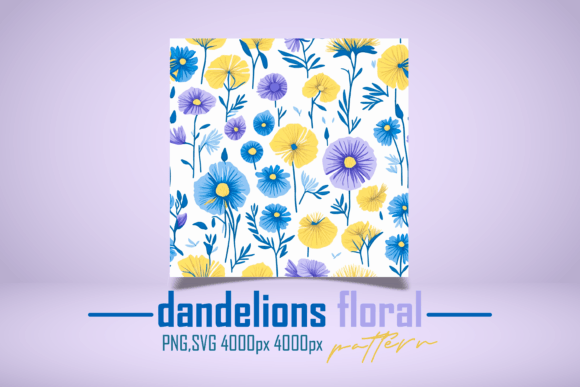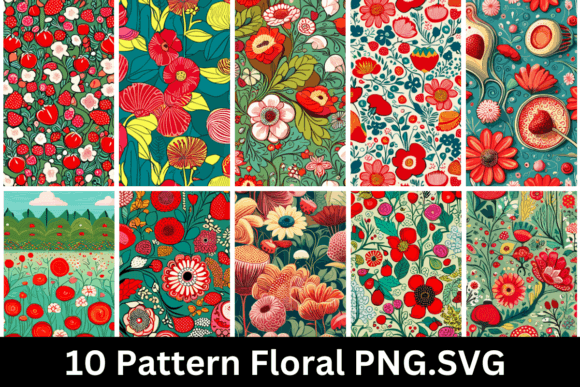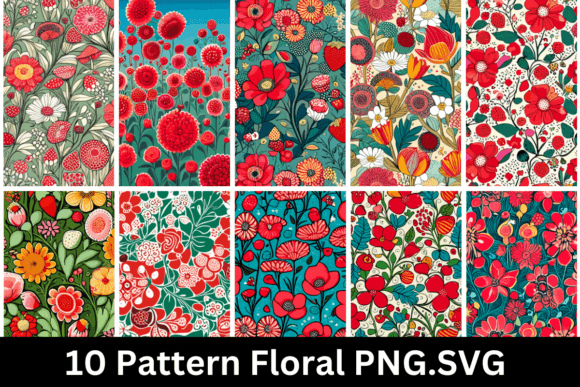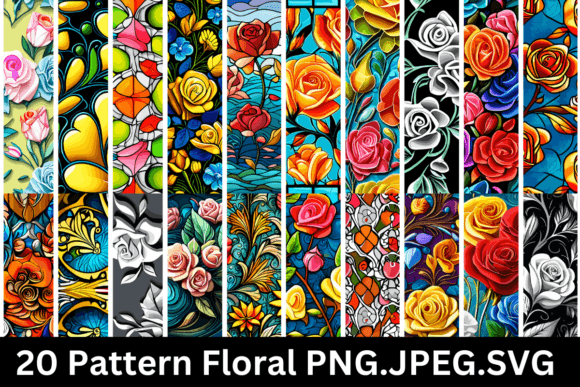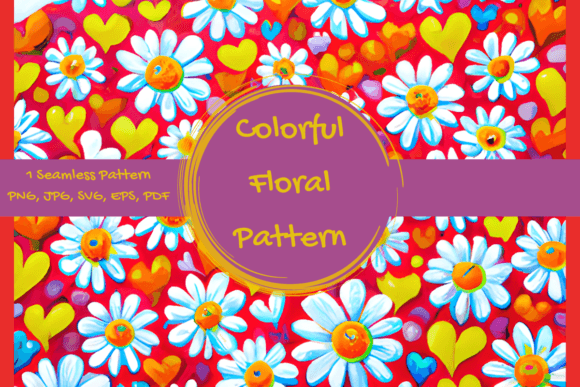
Colorful Floral Pattern
A Designer’s First Glance: Joyful, Balanced, and Ready for Real Fabric
When I opened Colorful Floral Pattern, my first thought wasn’t “pretty”—it was “usable.” As someone who’s stitched hundreds of designs across apparel, home goods, and personalized gifts, I look past the screen and straight to how it will behave under needle and thread. This pattern lands with warmth and rhythm—not overwhelming, not timid. The blooms are distinct but flow together; stems curve naturally, leaves vary in size and orientation, and spacing avoids that cramped, pixelated feel some floral graphics fall into. It reads as a cohesive machine embroidery design at a glance, not just a flat graphic. That tells me it was likely drafted with stitch logic in mind—not just visual appeal.
What It Brings to Your Embroidery Project (and What It Doesn’t)
I recently tested Colorful Floral Pattern on a natural linen tote bag—no lining, medium-weight weave, slightly textured surface. The result? Crisp satin stitches on petals, clean fill stitch in larger leaf areas, and subtle running stitch accents that added movement without muddying the design. Customers noticed it immediately—not just the colors, but the *air* around the shapes. That breathing room is rare. It doesn’t shout; it invites touch. That makes it ideal for boutique merchandise, nursery decor, or wedding guest towels where elegance matters more than impact.
It shines brightest on stable, mid-to-heavy fabrics: cotton canvas for aprons, terry cloth for kitchen towels, fleece-backed sweatshirts, and even light upholstery fabric for pillow covers. On baby onesies? Yes—but only if you use lightweight stabilizer and reduce stitch density slightly. On thin jersey tees or stretchy knit caps? Proceed with caution: test first, hoop tightly, and consider simplifying small interior details if they’re prone to puckering.
Where It Fits—and Where It Needs Extra Care
- Great for: Custom apparel (especially crewnecks and oversized tees), embroidered patches (cut-and-sew or iron-on backings), tea towels, throw pillows, holiday gift wraps (stitched onto fabric tags or napkins), and Etsy listings where handmade charm elevates perceived value.
- Use carefully on: Curved surfaces like baseball caps (hoop alignment is critical), dark fabrics (verify thread color contrast—some bright florals fade visually without enough tonal separation), and layered garments like quilted jackets (stitch density may need adjustment to avoid stiffness).
- Avoid on: Ultra-fine silk or chiffon without backing, highly napped fabrics like sherpa (stitches can disappear), or projects requiring frequent high-heat washing unless you’ve confirmed thread and stabilizer durability.
Why It Builds Trust—Not Just Decoration
Handmade customers don’t buy flowers—they buy intention. Colorful Floral Pattern feels intentional. Its balanced layout communicates care. When stitched cleanly on a linen pillow cover, it doesn’t look “added on”; it looks *born there*. That quiet confidence translates directly to buyer trust—especially for Etsy sellers or small shop owners positioning themselves as thoughtful curators, not just decorators. I’ve seen similar patterns fail because corners were too tight or stems too thin—causing thread breaks or uneven coverage. This one avoids those pitfalls. Petal edges are generous, inner curves open up, and no detail feels like it’s fighting the hoop size.
For commercial embroidery work, that reliability means fewer re-dos, faster turnaround, and consistent mockup previews. Whether you’re building printable mockups for your Shopify store or prepping digital embroidery files for a client’s boutique launch, Colorful Floral Pattern holds up in both black-and-white and full-color previews. It scales well—from 3.5” wide on a child’s apron to 6” across a tote handle strap—without losing legibility.
Practical Designer Notes You’ll Actually Use
Before stitching your first finished product, do these five things:
- Test on scrap fabric that matches your final project’s weight and texture—even if it’s just a corner cut from your main piece.
- Check thread color contrast on both light and dark backgrounds. Some floral palettes read beautifully on ivory but vanish on navy unless you adjust top thread tones.
- Review stitch density in dense petal centers. If your machine hesitates or fabric puckers, reduce density by 5–8%—not more. Over-correction flattens dimension.
- Confirm hoop size compatibility. While the listing doesn’t specify dimensions, assume standard 4x4 or 5x7 formats. If you plan to resize beyond that, inspect small details at 150% zoom to ensure clarity.
- Verify licensing before selling finished items or bundling Colorful Floral Pattern into digital product kits. Since it’s categorized under Patterns and Graphics, confirm whether personal and commercial use are both covered—or if attribution is required.
The Bottom Line for Craft Business Owners
Colorful Floral Pattern isn’t flashy—but that’s its strength. In a market saturated with overdesigned, trend-chasing graphics, this one earns repeat use because it works quietly, reliably, and beautifully. It supports your brand instead of competing with it. Whether you’re embroidering a single personalized gift or producing 50 matching pillow covers for a local boutique, it delivers consistent visual appeal and professional execution—without demanding special equipment or endless tweaking.
It’s the kind of embroidery file you save in your “go-to” folder—not because it’s trendy, but because it’s trustworthy. And in craft business, trust is the thread that holds everything together.